
"We had already switched to LED bulbs, stopped using the tumble dryer on weekdays, and turned things off at the wall—yet our direct debit kept creeping past £210 a month."
When Mark and Claire Henderson moved into their 1970s three-bedroom semi-detached home in Guildford, Surrey, they expected winter heating to be expensive. What surprised them was their baseline electricity bill during mild months.
With two teenagers at home, an American-style fridge-freezer, a utility room washing machine, a dishwasher, and two home-office setups, their kitchen In-Home Display (IHD) seemed permanently stuck in the amber zone.
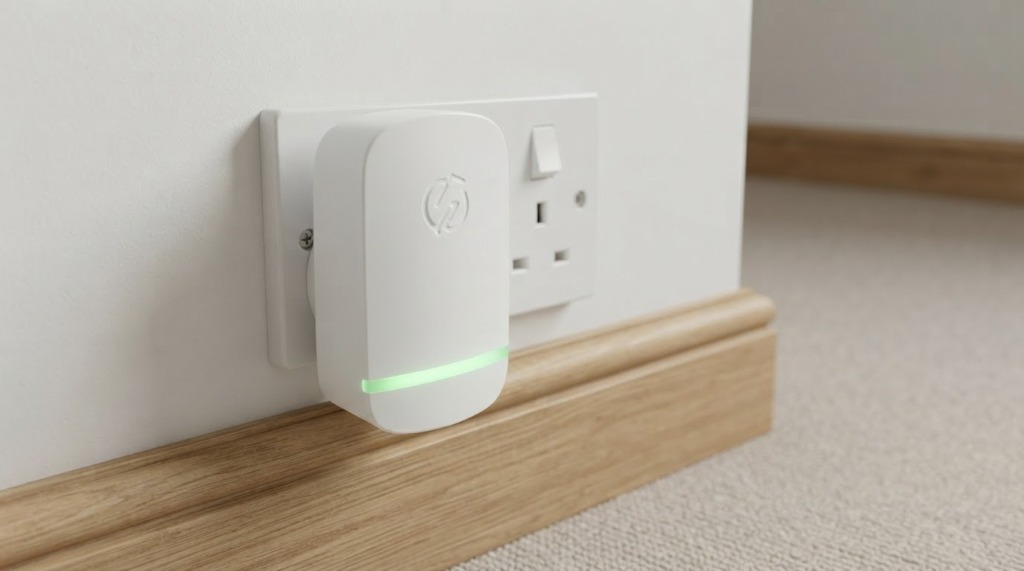
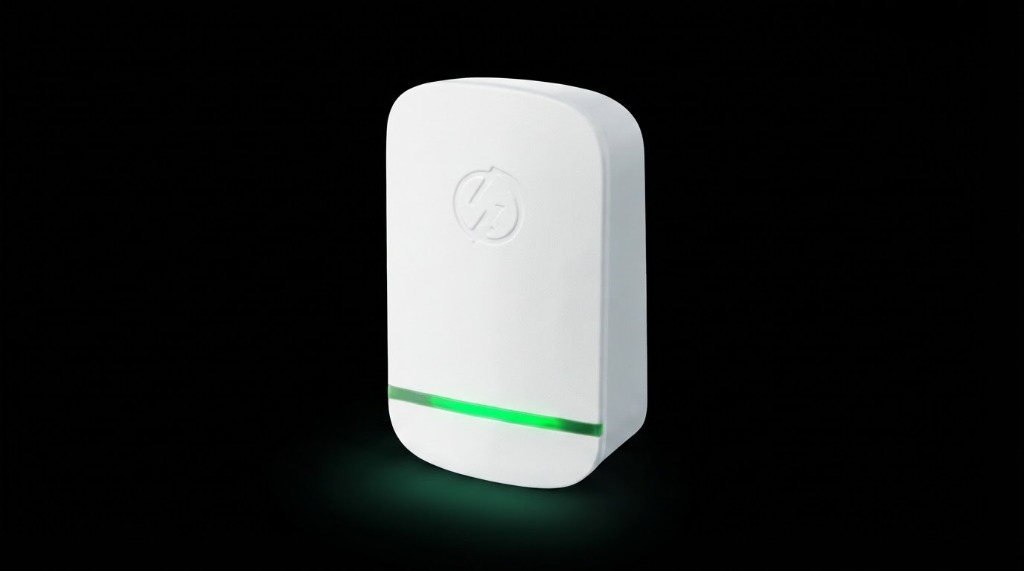
"A neighbour who works in commercial facilities mentioned that older homes with multiple motor-driven appliances often suffer from inefficient power factor and micro-surges. He suggested trying a plug-in capacitor unit called StopWatt before spending thousands replacing working white goods." — Mark Henderson, 44, Guildford, Surrey
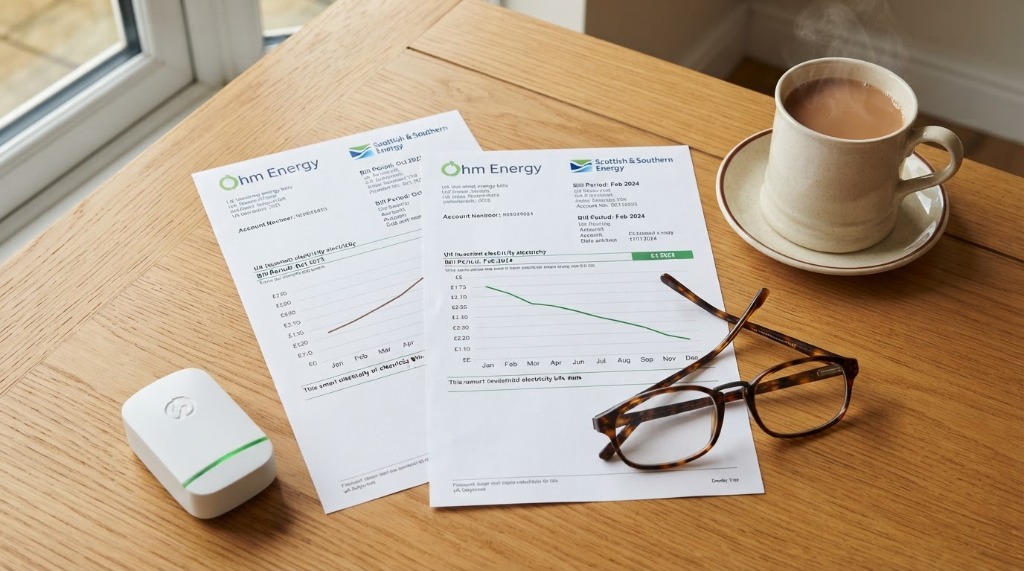
The 90-Day Experiment: Rather than relying on guesswork, Mark logged their smart meter kWh usage and tariff charges for three months prior to plugging in StopWatt, and compared them against the three months immediately following installation.
They plugged one StopWatt unit into the hallway socket closest to their consumer fuse board and a second unit in the utility room. Within the first billing cycle, they noticed their baseline overnight draw was steadier, and their appliances ran noticeably cooler during peak evening hours.
By the end of the third month, their average monthly electricity statement had dropped from £214.40 to £149.15—representing a typical monthly reduction of £65.25 (or roughly £195.75 saved across the quarter).*